
What Is Market Volatility A Complete Guide
 MENA Capital

 4 Min
4 Min
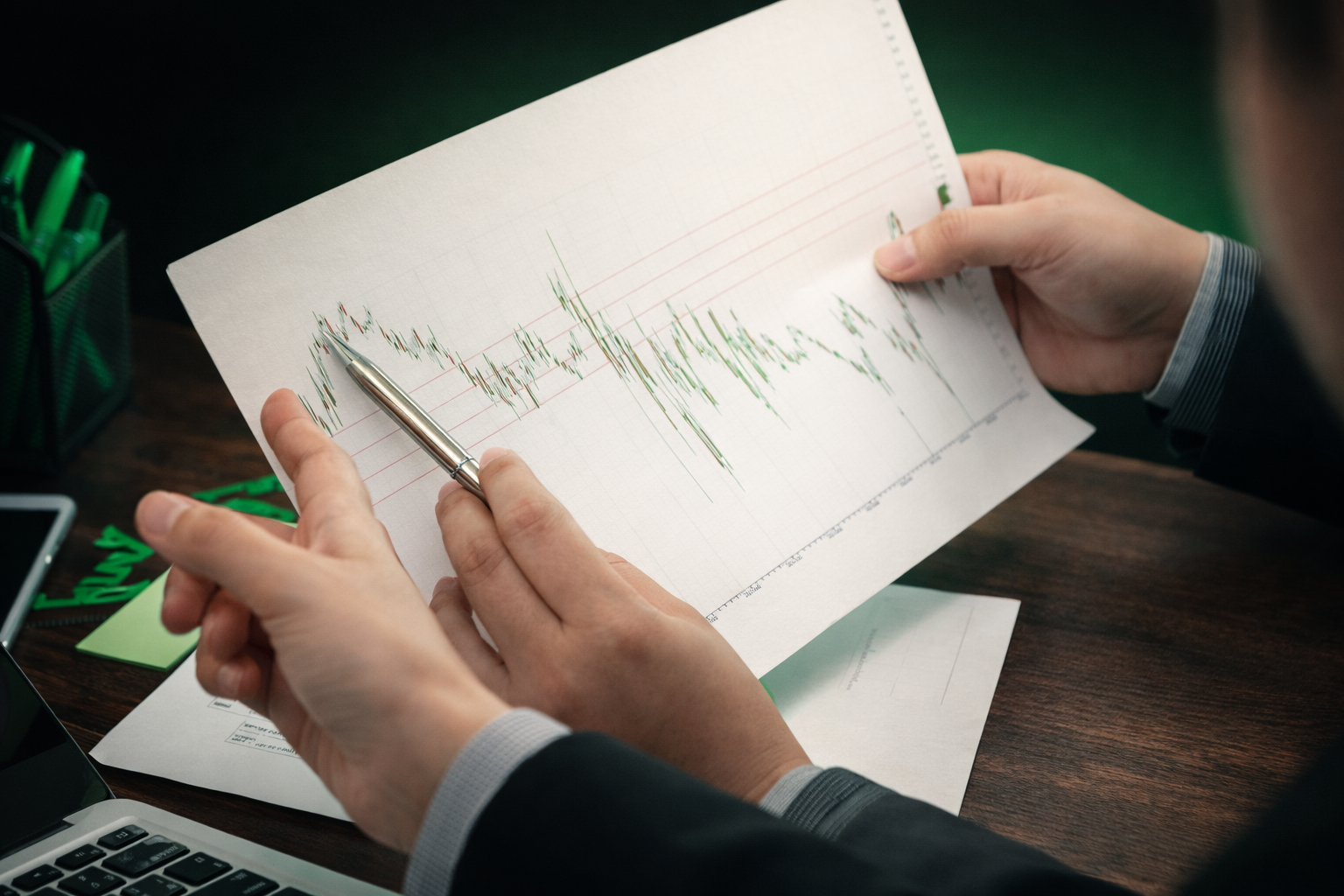
Market volatility is one of the most talked-about concepts in investing - yet for many beginners, it remains one of the least understood. Prices move up and down every day, headlines talk about “volatile markets,” and investors often feel uncertain about what it all really means.
In this complete guide, we explain what market volatility is, why it happens, and how it affects investors, with a specific focus on UAE and MENA market conditions. Whether you are new to investing or looking to strengthen your market knowledge, this article will help you understand market volatility explained for beginners in a clear and practical way.
What Is Market Volatility?
Market volatility refers to how much and how quickly prices move in financial markets over a certain period of time. When prices change rapidly or significantly, the market is considered highly volatile. When prices move slowly or remain relatively stable, volatility is considered low.
In simple terms, market volatility measures the degree of price fluctuations in assets such as stocks, indices, currencies, or commodities.
For example:
- A stock that moves 1-2% per day shows low volatility
- A stock that moves 8-10% per day shows high volatility
Understanding what is volatility in financial markets is essential because it affects investment decisions, risk management, and overall portfolio performance.
Why Market Volatility Matters to Investors
Market volatility directly impacts how investors experience the market. In volatile periods, prices can rise or fall sharply in a short time, creating both risk and opportunity.
For investors in the UAE and MENA region, volatility can be influenced by:
- Global economic events
- Oil price movements
- Interest rate decisions
- Regional geopolitical developments
Knowing the market volatility meaning in UAE investment environments helps investors avoid emotional decisions and approach markets with greater confidence.
How Is Market Volatility Measured?
Volatility is not just a feeling-it can be measured using specific tools and indicators.
Historical Volatility
Historical volatility measures how much prices have fluctuated in the past. It looks at previous price movements to assess how volatile an asset has been over a certain time period.
Implied Volatility
Implied volatility reflects market expectations of future price movements. It is often derived from options pricing and shows how much uncertainty investors expect going forward.
Volatility Indices
Some markets use volatility indices to measure overall market sentiment. These indicators rise when uncertainty increases and fall when markets stabilize.
For beginners, the key takeaway is this: higher volatility means larger price swings, not guaranteed losses.
What Causes Market Volatility?
Market volatility does not occur randomly. It is driven by a combination of economic, political, and psychological factors.
Economic Factors
Economic data such as inflation reports, employment numbers, GDP growth, and interest rate decisions can trigger volatility. When actual data differs from market expectations, prices often react sharply.
Political and Geopolitical Events
Elections, policy changes, trade negotiations, and regional tensions can increase uncertainty and cause markets to move unpredictably.
Global Market Influence
UAE and GCC markets are interconnected with global markets. Events in major economies can influence regional investor sentiment and capital flows.
Commodity Prices and Oil Markets
Oil price volatility plays a significant role in GCC economies. Changes in energy prices can directly affect regional markets, government revenues, and investor confidence.
Investor Psychology
Fear and greed are powerful drivers of volatility. Sudden panic selling or excessive optimism can amplify price movements beyond fundamental values.
Volatility vs Risk: Understanding the Difference
One of the most common beginner misconceptions is that volatility equals risk. While they are related, they are not the same.
- Volatility describes price movement
- Risk refers to the probability of losing capital
An asset can be volatile but still suitable for long-term investors, while a low-volatility investment can still carry risk if fundamentals deteriorate.
Understanding volatility vs risk in investing helps investors make more informed decisions instead of reacting emotionally to short-term price changes.
How Market Volatility Affects Different Types of Investors
Long-Term Investors
Long-term investors often view volatility as normal market behavior. Short-term fluctuations matter less when the investment horizon spans years or decades.
For example, diversified portfolios in UAE markets may experience short-term volatility while still delivering long-term growth.
Short-Term Traders
Traders often rely on volatility to generate opportunities. Higher volatility can create frequent price movements, but it also increases risk if not managed properly.
Both approaches require a clear strategy and disciplined execution.
Market Volatility in UAE and MENA Markets
Market volatility in the UAE and wider MENA region is shaped by both global and regional factors.
Key influences include:
- Oil and energy market trends
- Regional economic reforms
- Global interest rate cycles
- International capital flows
UAE stock markets, like any global exchange, experience periods of high and low volatility. Understanding these cycles helps investors maintain realistic expectations and avoid impulsive decisions.
How to Manage Market Volatility as a Beginner
Managing volatility is not about avoiding markets-it is about preparing for price movements.
Diversification
Spreading investments across asset classes, sectors, and regions can reduce the impact of volatility on a portfolio.
Position Sizing
Avoid concentrating too much capital in a single asset. Smaller positions help manage downside risk during volatile periods.
Risk Management Tools
Setting predefined exit levels and maintaining discipline can help protect capital when markets move unexpectedly.
Long-Term Perspective
Short-term volatility often fades over time. Investors with a clear strategy are better positioned to stay focused during market swings.
Understanding how to manage volatility in investing is a core skill for sustainable portfolio growth.
Emotional Discipline During Volatile Markets
Volatility often triggers emotional responses such as fear, anxiety, or overconfidence. These emotions can lead to poor decision-making.
Common mistakes include:
- Panic selling during market declines
- Overtrading in fast-moving markets
- Chasing short-term price spikes
Successful investors focus on logic, planning, and consistency rather than reacting to daily market noise.
Turning Market Volatility Into Understanding
Market volatility is a natural part of financial markets, not a flaw. For investors in the UAE and MENA region, understanding what market volatility is and how it works provides clarity and confidence during uncertain periods.
Rather than fearing volatility, informed investors learn to navigate it through education, discipline, and risk management. With the right approach, volatility becomes a factor to understand - not something to avoid.
By building knowledge early and maintaining a structured investment strategy, beginners can approach volatile markets with greater control and long-term perspective.