
Nick Leeson: How One Trader Destroyed Barings Bank
 MENA Capital

 2 Min
2 Min
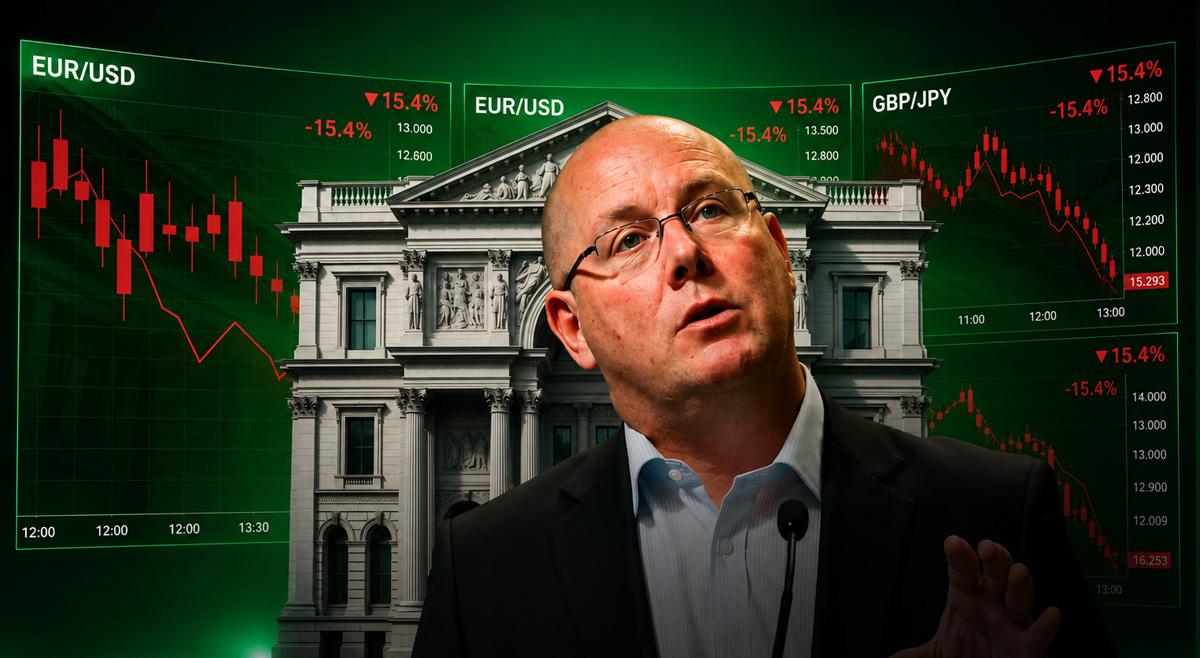
The Trade That Shocked the Financial World
Financial history has seen many market disruptions, but few cases remain as widely discussed as the collapse of Barings Bank in 1995. A single trader, Nick Leeson, helped bring down one of Britain’s oldest financial institutions through unauthorized trading activity and weak internal controls.
The story remains relevant as a historical example of how risk oversight, internal governance, and decision-making failures can combine to create severe institutional damage.
What Was Barings Bank?
Founded in 1762, Barings Bank was one of the oldest merchant banks in the world. Over more than two centuries, it had built a strong reputation in banking, trade finance, and international markets.
Its long history made the collapse especially significant. The case demonstrated that even established institutions can face serious consequences when control systems fail.
Who Was Nick Leeson?
Nick Leeson began his career in back-office operations before moving into derivatives trading. In the early 1990s, he was sent to Singapore to oversee futures trading operations for Barings Bank.
At first, he appeared successful, and his reported performance contributed to growing internal trust. Over time, however, hidden losses and weak supervision created a much more serious problem.
How the Unauthorized Trades Started
Leeson used an error account to conceal losing positions from management. Rather than reporting losses transparently, positions continued to build over time.
Structural Weaknesses Behind the Crisis
- Weak internal oversight
- Lack of separation between trading and settlement functions
- Poor compliance monitoring
- Growing exposure without effective control
These failures allowed unauthorized activity to continue for an extended period without timely intervention.
The Trades That Triggered the Collapse
Nick Leeson built major exposure to the Japanese Nikkei index through futures contracts. When the 1995 Kobe earthquake triggered sharp market volatility in Japan, the situation worsened significantly.
Instead of reducing exposure, losses increased as positions continued under stressed market conditions. By the time the full scale of the issue became clear, losses had exceeded $1.3 billion, which was greater than the bank’s available capital. Shortly afterward, Barings Bank collapsed.
Why the Barings Bank Collapse Still Matters
The collapse became one of the best-known examples of unauthorized trading in financial history. More broadly, it showed how poor governance, weak compliance structures, and inadequate risk oversight can have consequences far beyond a single desk or institution.
The case is still referenced because it highlights the importance of transparency, accountability, and clearly defined control systems in financial organisations.
Key Lessons From the Case
The Barings Bank collapse continues to be relevant for financial education because it highlights several broader lessons.
Core Lessons
- Strong internal controls matter
- Governance failures can grow unnoticed when oversight is weak
- Emotional or unchecked decision-making can worsen financial stress
- Transparency and accountability are essential in market operations
Conclusion
The collapse of Barings Bank remains one of the most important cautionary cases in financial history. Nick Leeson’s actions demonstrated how weak oversight and hidden risk can escalate into institutional failure.
As a historical case study, the event remains useful for understanding the role of internal controls, governance, and risk awareness in financial markets.
Disclaimer:
This content is for informational and educational purposes only and does not constitute investment advice. MENA Capital UAE does not provide brokerage, execution, or trading services. Market prices can rise or fall, and financial products involve risk.
Disclaimer:
This content is for informational and educational purposes only and does not constitute investment advice. MENA Capital UAE does not provide brokerage, execution, or trading services. Market prices can rise or fall, and financial products involve risk.