
Major Wall Street Crashes and Investor Lessons Today
 MENA Capital

 7 Min
7 Min
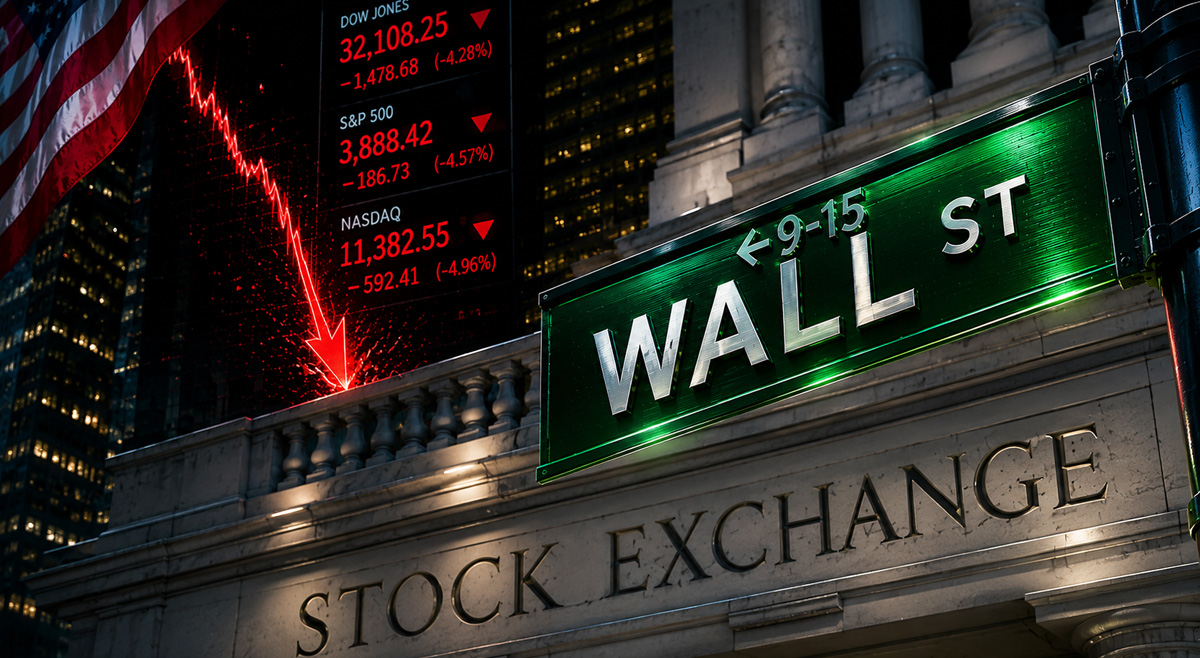
Financial markets have experienced periods of rapid growth, but history also shows that major downturns can happen unexpectedly. Several major Wall Street downturns influenced global economies, affected investor confidence, and increased volatility across stocks, commodities, and forex markets.
For investors and traders in the UAE and wider MENA region, understanding historical market crashes can provide a useful perspective on risk management, investor psychology, and market behavior during uncertain periods.
At MENA Capital, financial education focuses on helping traders understand how global events influence modern financial markets rather than encouraging speculative decision-making.
Why Wall Street Crashes Matter
Wall Street crashes rarely affect only one country. Modern financial systems are deeply interconnected, meaning sharp declines in US markets often influence currencies, commodities, and investor sentiment worldwide.
How Financial Crashes Affect Global Markets
During major downturns, markets may experience:
-
Increased volatility
-
Reduced investor confidence
-
Currency fluctuations
-
Lower economic activity
-
Changes in central bank policies
These conditions can impact both stock investors and forex traders.
The Link Between Stocks and Forex Markets
When equity markets decline sharply, forex market volatility often increases as investors move capital into perceived safe-haven assets such as the US dollar, Swiss franc, or Japanese yen.
This relationship highlights why forex traders closely monitor major stock market developments.
The Most Famous Wall Street Crashes in History
Several financial crises remain important reference points for understanding modern markets.
The Great Depression (1929)
The 1929 stock market crash remains one of the most severe financial collapses in history. Excessive speculation, weak banking systems, and economic imbalances contributed to a prolonged global depression.
The event changed financial regulation and investor behavior for decades.
Black Monday (1987)
On October 19, 1987, global stock markets experienced one of the largest single-day declines ever recorded.
Although the exact causes remain debated, rapid selling pressure and panic trading accelerated losses significantly.
The crash highlighted how investor sentiment can quickly influence global financial markets.
The Dot-Com Bubble (2000)
During the late 1990s, technology stocks experienced rapid growth fueled by speculative optimism around internet companies.
When valuations became unsustainable, the bubble eventually collapsed, causing heavy losses across global equity markets.
The Global Financial Crisis (2008)
The 2008 financial crisis was driven largely by excessive debt exposure and problems within the US housing market.
The collapse of major financial institutions increased global recession fears and triggered widespread market volatility.
Central banks worldwide responded with emergency measures to stabilize economies and restore confidence.
What Causes Financial Market Crashes?
While every crisis is different, many share common characteristics.
Speculative Bubbles
Asset bubbles may develop when prices rise rapidly without strong economic fundamentals supporting valuations.
This can create unsustainable market conditions over time.
Panic Selling and Investor Psychology
Fear often spreads quickly during financial uncertainty.
Common emotional reactions include:
-
Panic selling
-
Overleveraging
-
Herd behavior
-
Emotional trading decisions
-
Short-term market speculation
Trading psychology continues to play a major role during periods of heightened volatility.
Economic Weakness and Debt Risks
Economic slowdowns, rising debt levels, and weak financial systems can increase the risk of market instability.
Investors often monitor indicators such as:
-
Inflation
-
Interest rates
-
Employment data
-
GDP growth
-
Central bank commentary
These factors influence both equity and forex markets globally.
How Market Crashes Impact Forex Trading
Major financial crises often increase volatility across currency markets.
Currency Market Volatility
During periods of uncertainty, investors may move capital between currencies rapidly, creating large price swings.
Market participants often monitor safe-haven currencies during these periods.
Safe-Haven Assets
Currencies commonly viewed as defensive during market stress include:
-
US Dollar (USD)
-
Swiss Franc (CHF)
-
Japanese Yen (JPY)
Demand for these currencies may increase during global market uncertainty.
Central Bank Intervention
Central banks sometimes respond to crises through:
-
Interest rate adjustments
-
Liquidity measures
-
Monetary stimulus
-
Currency market intervention
These actions can significantly influence forex trading conditions.
Key Lessons Investors and Traders Can Learn
Historical market crashes continue to provide valuable educational insights.
Risk Management Matters
Managing exposure carefully remains one of the most important principles in trading and investing.
Effective risk management strategies may include:
-
Using stop-loss orders
-
Avoiding excessive leverage
-
Diversifying portfolios
-
Monitoring market news
-
Maintaining realistic expectations
Emotional Discipline During Volatility
Emotional decision-making often increases during uncertain market conditions.
Long-term discipline and structured planning may help investors avoid impulsive reactions during periods of volatility.
Importance of Diversification
Diversification may help reduce concentration risk during market downturns.
Understanding multiple asset classes, including forex, equities, and commodities, can support broader market awareness.
Why Historical Market Crashes Still Matter Today
Although financial systems continue to evolve, many lessons from past crashes remain relevant.
For investors and traders in the UAE and MENA region, studying historical market events may help improve financial awareness and long-term decision-making.
At MENA Capital, educational resources emphasize market understanding, disciplined trading behavior, and responsible risk management practices within today’s global financial environment.
Major Wall Street crashes have shaped global financial history and continue to influence how investors approach modern markets today.
From the Great Depression to the 2008 financial crisis, these events demonstrate the importance of discipline, economic awareness, and risk management during uncertain periods.
For forex traders and investors in the UAE, understanding historical market behavior can provide valuable context for navigating today’s increasingly interconnected financial markets.
Disclaimer: This content is for informational and educational purposes only and does not constitute investment advice. MENA Capital UAE does not provide brokerage, execution, or trading services. Market prices can rise or fall, and financial products involve risk.